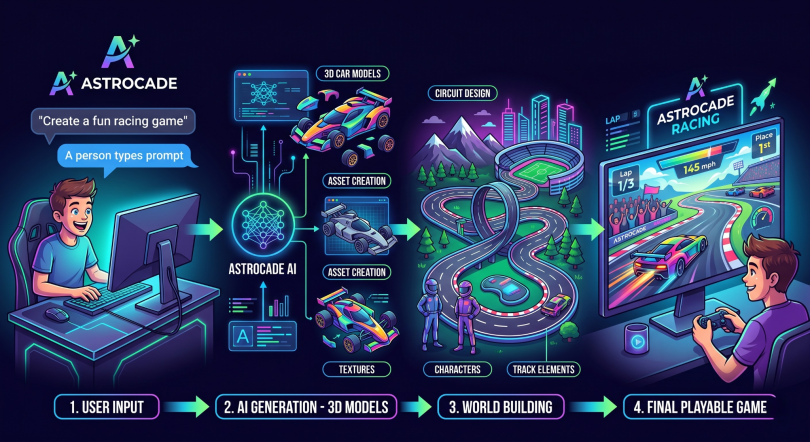

More and more people with no programming background are successfully creating and publishing their own games. What used to require years of coding experience is now possible through modern tools and smart workflows. Non-coders are turning simple ideas into real, playable games that others can enjoy online.
This step-by-step guide shows exactly how beginners are achieving this today.
The New Reality for Non-Coders
The game development world has changed dramatically. You no longer need to learn complex programming languages to make your own game. A growing number of regular people — teachers, students, artists, and office workers — are completing and publishing games successfully. They are using accessible tools that focus on creativity instead of code.
This shift has opened doors for thousands of new creators.
Why Non-Coders Are Succeeding Now
Modern tools have removed the biggest technical barriers. Visual interfaces, templates, and smart assistance allow beginners to focus on ideas and fun gameplay. Many non-coders follow a clear process that helps them go from concept to published game without getting stuck. Their success comes from starting small, staying consistent, and learning through doing.
This practical approach is working for people with zero previous experience.
Step 1: Start with a Simple and Clear Idea
Successful non-coders always begin with one focused idea. They avoid trying to build something too big or complicated at first. A simple concept — like collecting items, racing, or solving basic puzzles — is much easier to turn into a complete game. This focused start helps maintain momentum and finish the project.
Clarity in the beginning saves time later.
Step 2: Choose the Right Tools
Picking the correct platform is crucial. A good game builder provides visual editing, ready-made assets, and testing features. Many beginners combine these builders with AI support to speed up development. The best tools let you see results quickly and make changes easily without frustration.
Testing a couple of options helps you find the one that matches your style.
Step 3: Building the Core Experience
Once you have your idea and tools ready, focus on creating the main gameplay loop first. This is the heart of your game — what makes it fun to play. Non-coders often spend time here refining controls and basic mechanics before adding extra features. This step-by-step method prevents overwhelm and leads to better final results.
Many creators finish their first game faster by keeping this phase simple.
Astro Carts: A Real Example of Beginner Success
One game concept that many non-coders have successfully created and published is inspired by Astro Carts. It is a racing kart game with fast-paced tracks, boosts, and competitive racing against other racers. The core idea is easy to understand, making it perfect for beginners. Using a no-code game maker, many new creators have built similar racing experiences by starting with basic movement and gradually adding tracks, power-ups, and visual polish. These games are now being played and shared by others online, proving that non-coders can produce real, enjoyable games.
Step 4: Using AI Assistance Wisely
An AI game maker can help generate initial versions, suggest improvements, and speed up repetitive tasks. Smart creators use AI as a helper rather than relying on it completely. They combine AI generation with their own editing to maintain creative control. This balanced approach leads to faster progress and better quality.
AI works best when guided by clear human direction.
Step 5: Testing and Improving
After building the basic version, real testing with friends is essential. Making games successfully requires honest feedback. Non-coders often share early versions and make improvements based on how people actually play. This iterative process helps fix problems and make the game more enjoyable before publishing.
Regular testing is one of the most important habits of successful beginner creators.
Step 6: Publishing Your Game
A good game maker online platform makes publishing simple. You can share your game with a single link and reach players instantly. Many non-coders start by sharing with friends and gradually make their games public. This step turns your personal project into something others can discover and enjoy.
The feeling of seeing people play your game is incredibly rewarding.
Step 7: Learning and Growing as a Creator
Every completed game teaches you something new. Successful non-coders treat each project as a learning opportunity. They analyze what worked, what didn’t, and apply those lessons to their next creation. This continuous improvement mindset helps them create better games over time.
Growth comes from consistent practice and reflection.
Why This Path Is Becoming More Popular
The combination of easy tools, AI assistance, and simple publishing has created perfect conditions for non-coders. People from all backgrounds are now able to build a game and share it with the world. The barrier to entry has never been lower, and the tools continue to improve rapidly.
This trend is expected to bring even more new creators into the space.
Final Thoughts
Non-coders are successfully publishing real games by following a clear, step-by-step process and using the right modern tools. Starting small, focusing on fun gameplay, testing regularly, and sharing early results are the keys to success. You don’t need coding skills — you need clear ideas, persistence, and the willingness to learn as you go.
If you have ever wanted to create games, there has never been a better time. Pick one simple idea, try the available tools, and take your first step. Many ordinary people are already doing this successfully, and you can too.