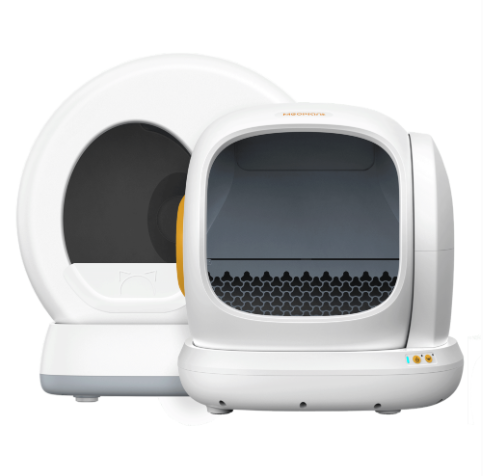

The question rarely starts with the machine. It starts with a cat who refuses a soiled box, a work schedule that pushes scooping past midnight, or an apartment where odor travels further than it should. Once those frustrations stack up, the self cleaning litter box starts looking less like a luxury and more like a practical fix. Yet the upgrade is not automatic for every household. Cats respond to change in ways that are not always obvious, and the machine itself asks for specific habits to stay reliable. This article answers the question from the cat’s side first, then from the owner’s side, and finishes with the small signals that tell you whether a particular home is ready for automation.
What the Machine Actually Does for a Cat
From a cat’s perspective, a litter box is judged on freshness, access, and predictability. A self cleaning litter box improves the first two directly. Freshness improves because clumps are removed within minutes of each visit rather than hours. Access stays consistent because the litter surface stays level and free of debris, which matters to cats that dislike digging into a crowded box.
Predictability is the part owners underestimate. Cats build a map of their territory, and the box is a fixed landmark. Automated cycles introduce sound and motion into that landmark, which is why a gradual introduction works better than a sudden swap. A cat that watches the empty machine cycle once or twice is usually calmer about it than a cat that discovers it moving for the first time while standing inside.
Which Cats Adapt Quickly
Young, confident cats often treat an automated box as a curiosity and adopt it within a day. Senior cats and anxious cats do better with a slower transition: keep the old box available, place the new unit beside it unplugged for a few days, then run a cycle while the cat is outside the room. A high-entrance model may need a step or ramp for older joints.
What It Requires From You
The owner’s side of the question is simpler but equally honest. Automation removes daily scooping; it does not remove weekly cleaning. The drum, rake, and drawer seal accumulate residue that a quick cycle cannot reach, and letting that residue build is the fastest route to odor and jams. Owners who enjoy their units treat the weekly clean as non-negotiable, usually a ten-minute task with a damp cloth.
Litter choice matters just as much. Fast-clumping, fine-grain litter flows through the mechanism and sifts cleanly. Coarse or slow-clumping products smear across the screen and create drag that the motor must fight. When the machine hesitates or resets repeatedly, litter is the first suspect, well before a mechanical failure.
Space, Power, and Placement
An automated box needs a dedicated footprint and a nearby outlet. Placement should avoid damp corners and drafts, and the unit should sit level so the weight sensor reads consistently. A machine that fits the room but not the outlet, or the outlet but not the floor, creates daily friction that undermines the convenience. Measure the space before choosing a model, not after.
Noise and the Sleep Question
One of the most common follow-up questions is whether the machine will wake the household at night. A well-built unit is quiet enough for a bedroom-adjacent hallway, but no model is silent, and a cat who uses the box at three in the morning will trigger a cycle at three in the morning. If sleep is fragile, place the unit as far from the bedroom as the layout allows and listen to it in a showroom or in a video before buying. This single detail decides satisfaction for more owners than any feature list suggests.
Signals That You Are Ready
Some households benefit immediately, and the signals are easy to recognize. You work hours that make evening scooping unreliable. You travel or stay out overnight and worry about the box. You have a cat that protests a soiled surface by tracking litter or avoiding the box entirely. You live in a small space where odor has nowhere to go. These are strong indicators that a self cleaning litter box will earn its place.
Other signals suggest waiting. If your cat has recently moved, is recovering from illness, or has shown sensitivity to household noise, a new machine adds stress rather than removing it. Similarly, if nobody in the household will commit to the weekly clean, the machine will decline into a worse manual box with a higher price tag. The upgrade works best when the routines around it already exist.
Brands such as Meowant design automated boxes for owners who want the convenience without a complicated setup, but no machine can substitute for a calm introduction and a short maintenance habit. The product is only half the answer; the other half is the household.
When the Answer Is “Not Yet”
Choosing to wait is a legitimate outcome, and it is worth saying plainly. A household that cannot sustain weekly cleaning, or a cat in the middle of a stressful transition, is better served by a well-maintained manual box for now. The automated unit will still be there in six months, and reintroducing it after the cat has settled produces far better results than forcing the change during a difficult period.
Living With the Machine After the First Month
The first month tells you whether the introduction worked. After that, the questions change from “will my cat use it” to “is it worth what it asks of me.” At that stage, the most useful habit is a simple log. Note when you empty the drawer, when you clean the drum, and when the litter was last changed. Patterns emerge quickly: a drawer that fills in three days instead of five hints at a capacity mismatch, and a cycle that slows after a week points to litter that is not clumping firmly enough.
Owners also discover small courtesies that make the machine easier to live with. A mat placed at the entrance catches tracked litter before it reaches the floor. A spare seal kept in a drawer means a worn gasket is a two-minute swap rather than a week of waiting for delivery. A designated scoop and bag kept nearby turns the weekly clean into a single trip rather than three.
Over time, the unit starts to feel less like a purchase and more like a fixture. That is the point where most owners stop evaluating it and simply rely on it, which is the highest compliment a piece of household equipment can receive.
Knowing When to Call the Vet Instead
One boundary deserves emphasis. An automated box can surface useful information, such as more frequent visits or longer sessions, but it cannot diagnose anything. A cat that suddenly avoids the box, strains without producing waste, or vocalizes during visits needs a veterinarian, not a firmware update. Owners sometimes interpret avoidance as a machine problem and spend days troubleshooting sensors while the real issue is medical. Watch the cat first and the device second.
That order of attention is also why the machine works best as a support tool rather than a replacement for observation. The owners who get the most from automation are usually the ones who already notice their cat’s habits and use the device to reduce chores rather than to replace vigilance.
Answering the Question Honestly
A self cleaning litter box fits households that want fewer interruptions, better freshness, and less daily friction, and that are willing to trade daily scooping for a weekly clean and careful litter selection. It fits cats that are healthy, reasonably confident, and given a gradual introduction. It fits less well when the schedule is relaxed, the cat is fragile, or nobody will maintain the unit. The right way to answer the question is to look at your last two weeks: how often did the box sit soiled, how often did you dread the task, and how much did you wish it could handle itself? Those answers point clearly in one direction or the other, and either direction is a valid choice for a well-cared-for cat.