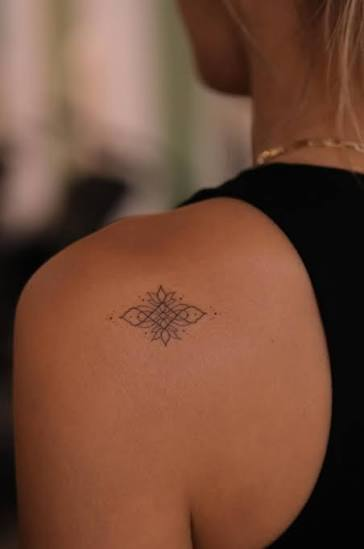

Tattoos have moved from the fringes of society into the mainstream, becoming one of the most popular forms of self-expression across Australia and the world.
What was once associated with sailors, bikers and rebellious subcultures is now embraced by professionals, parents, artists and everyday people from all walks of life.
Whether chosen to commemorate a loved one, mark a milestone, or simply because a design resonated on a personal level, tattoos have become a deeply personal art form that tells a story on the skin.
This article explores the history, cultural significance, popular styles, safety considerations and the pathway to becoming a professional tattoo artist.
A Brief History of Tattooing
Tattooing is far from a modern trend. Archaeological evidence shows that humans have been marking their skin for thousands of years, with tattooed mummies discovered in Egypt, Siberia and the Alps dating back over 5,000 years.
Indigenous cultures across the globe, including Polynesian, Māori and various Aboriginal and Torres Strait Islander communities, have long used body markings for ceremonial, spiritual and social purposes.
In Australia, body art has deep roots in Indigenous culture, where scarification and ochre body painting served as markers of identity, status and connection to Country.
The modern tattoo industry, using needles and ink, developed later through Western influence but has grown into a thriving creative sector that blends traditional techniques with contemporary artistry.
Why People Get Tattoos
The reasons behind getting a tattoo are as varied as the designs themselves. Some common motivations include:
- Personal expression – using the body as a canvas to reflect individuality, beliefs or values
- Memorialisation – honouring the memory of a family member, friend or pet
- Cultural or spiritual connection – representing heritage, faith or tradition
- Milestone marking – celebrating a significant life event, achievement or recovery
- Aesthetic appeal – simply appreciating the artistry and craftsmanship of a design
- Group or community identity – signalling belonging to a particular group, team or subculture
Regardless of the reason, a tattoo is a permanent decision, which is why careful thought, research and consultation with a reputable artist are essential before booking an appointment.
Popular Tattoo Styles
The tattoo industry has diversified enormously, with artists now specialising in distinct visual styles. Some of the most sought-after styles in Australia include:
- Traditional (Old School) – bold black outlines, limited colour palettes and classic imagery such as anchors, roses and swallows
- Realism – highly detailed, photographic-style tattoos of portraits, animals or landscapes
- Blackwork – heavy use of solid black ink, often featuring geometric patterns or tribal-inspired designs
- Fine Line – delicate, minimalist designs using thin needles for a subtle, understated look
- Watercolour – soft, blended colours that mimic the appearance of a watercolour painting
- Japanese (Irezumi) – large-scale, flowing designs featuring dragons, koi fish and cherry blossoms, rich in symbolism
- Neo-Traditional – a modern twist on classic tattooing, combining bold lines with a broader colour range and more intricate detail
Choosing a style often comes down to personal taste, but it is worth researching an artist’s portfolio to ensure their strengths align with the design you have in mind.
Health, Safety and Regulation
Because tattooing involves piercing the skin, hygiene and infection control are critical. Poor practices can lead to skin infections, allergic reactions or the transmission of bloodborne illnesses.
In Australia, tattoo studios are regulated at the state and territory level, with requirements around sterilisation, single-use needles, ventilation and record-keeping.
Before booking in, it is worth checking that a studio is licensed and follows proper infection control procedures.
According to Healthdirect, an Australian Government-funded health information service, people considering a tattoo should confirm that the studio uses sterile, single-use needles and that the artist follows strict hygiene practices to reduce the risk of infection.
The same guidance recommends discussing aftercare instructions thoroughly before leaving the studio, as proper healing plays a major role in how well a tattoo settles into the skin.
Some practical safety tips to keep in mind include:
- Confirm the studio is licensed and inspected by the relevant local authority
- Check that needles are single-use and disposed of correctly after each session
- Ask about the artist’s sterilisation process for equipment and workstations
- Discuss any allergies, skin conditions or medical history with the artist beforehand
- Follow aftercare instructions carefully, including cleaning routines and sun protection
- Avoid swimming pools, saunas and direct sunlight while the tattoo is healing
Taking these precautions seriously can make the difference between a smooth healing process and a painful, drawn-out recovery.
The Tattoo Artist’s Journey
Behind every well-executed tattoo is an artist who has spent years honing their craft. Tattooing is a skill that blends artistic talent with technical precision, and it takes considerable time and dedication to master.
Aspiring tattoo artists in Australia typically start by building a strong foundation in drawing and design before moving into hands-on training.
Many enter the industry through a tattoo apprenticeship, working alongside an experienced artist to learn everything from machine handling and skin anatomy to hygiene standards and client consultation.
This traditional pathway remains one of the most respected routes into the profession, offering real-world mentorship that structured courses alone cannot always replicate.
Regardless of the path taken, becoming a proficient tattoo artist requires patience, a genuine passion for art, and a commitment to continual learning, as trends, techniques and equipment are constantly evolving.
Caring for a New Tattoo
Aftercare is just as important as the tattooing process itself. A well-cared-for tattoo heals cleanly, retains its vibrancy and reduces the risk of complications. General aftercare advice includes:
- Keeping the tattoo clean and gently washing it with a mild, fragrance-free soap
- Applying a thin layer of recommended moisturiser to prevent excessive dryness
- Avoiding tight clothing that may rub against the healing area
- Steering clear of direct sunlight and using sunscreen once healed
- Resisting the urge to pick or scratch at scabs as the skin heals
- Staying hydrated and maintaining good overall skin health
Healing times vary depending on the size, placement and complexity of the design, but most tattoos take between two and four weeks to heal on the surface, with full healing beneath the skin taking longer.
Final Thoughts
Tattoos are more than just ink on skin, they are personal stories, cultural expressions and works of art that people choose to carry with them for life.
As the industry continues to grow in Australia, so too does the emphasis on safety, professionalism and artistic quality.
Whether you are considering your first tattoo or your tenth, taking the time to research a reputable studio, understand proper aftercare and appreciate the skill involved will help ensure the experience is a positive and lasting one.