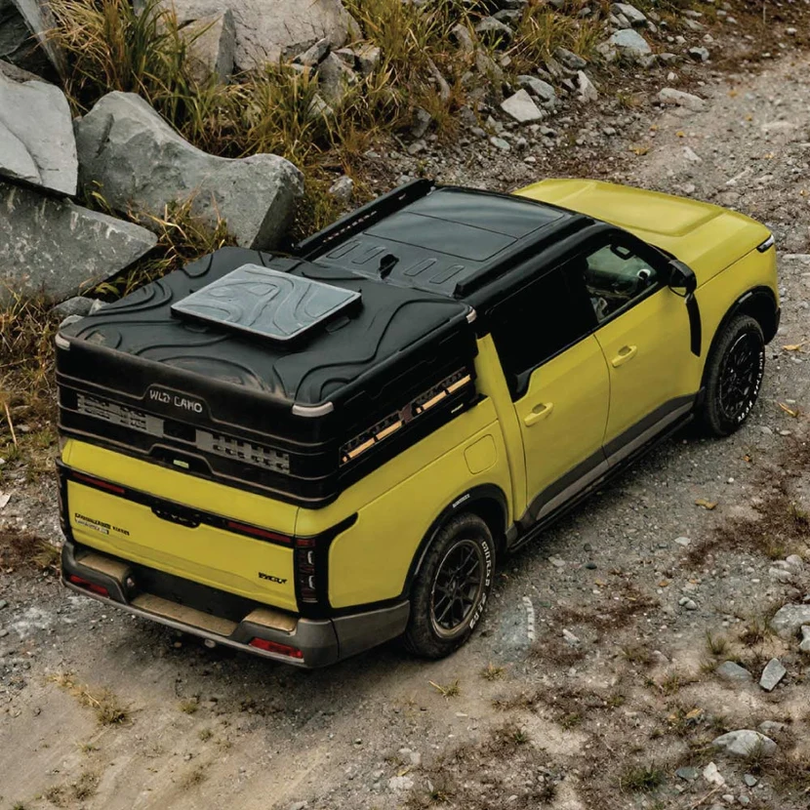

The box is the wrong shape for most of what people carry
Canadian trades and property owners load pickups hardest through the building season, and the awkward loads are never the heavy ones. A pickup bed rack exists because the things that will not fit are long rather than large, and a box solves volume rather than length.
The bed under a pickup bed rack is somewhere between five and eight feet. Lumber, ladders, conduit, fence rail, and irrigation pipe are all longer than that, so they overhang the tailgate, ride diagonally, or travel on a trailer.
A pickup bed rack for long loads works by using the cab
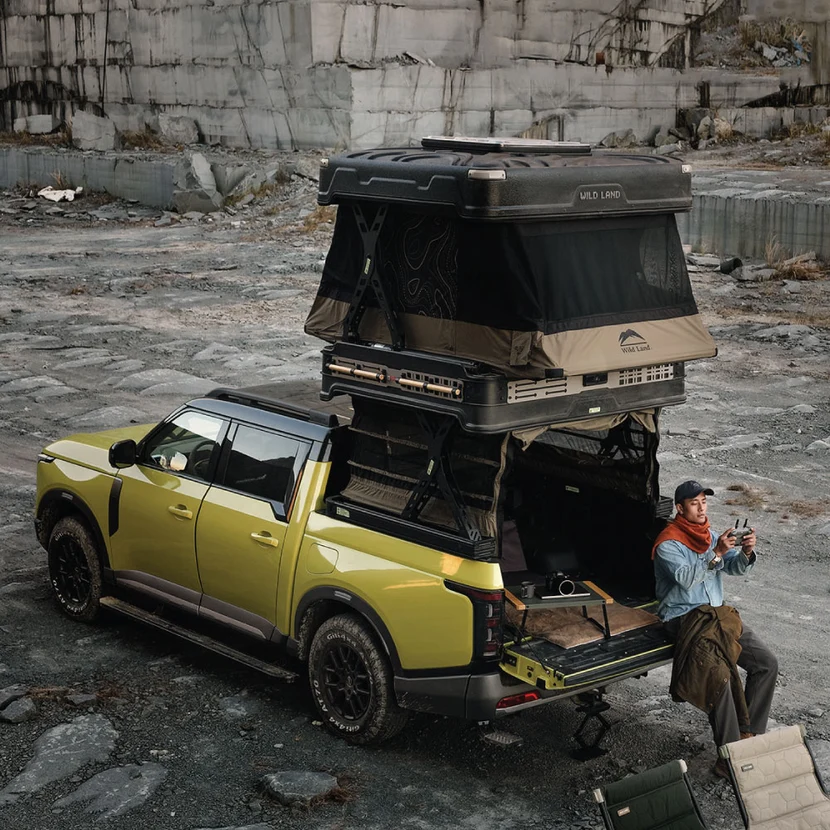
A pickup bed rack raises the load to roof height and creates a continuous surface running from behind the cab to the tailgate. A twelve foot length carried up there is supported at two points several feet apart and sits within the vehicle rather than projecting behind it.
That changes the legal picture as much as the practical one. Overhang beyond a certain distance requires flagging in most provinces and makes the vehicle longer than the driver judges, which is how loads meet gateposts.
The box underneath stays available
A pickup bed rack does not consume the bed. Tools, fuel, and materials continue to travel below while long items ride above, which is the arrangement that a full length ladder laid in the box makes impossible for the rest of the load.
How much can a bed rack carry is two numbers, not one
A static rating describes what a pickup bed rack will hold while the vehicle is parked. A dynamic rating describes what it will hold while driving, and it is substantially lower because every bump multiplies the load for an instant.
The dynamic figure is the one that governs. A rack quoted at several hundred kilograms static may be rated at a fraction of that in motion, and a load chosen against the wrong number is why racks bend.
Weight up high behaves differently than weight in the box
The same mass carried at roof height raises the center of gravity of the whole vehicle. Cornering, crosswinds, and lane changes all feel different, and the effect shows up long before the load approaches the rating.
A pickup bed rack with a rooftop tent is a different purchase again
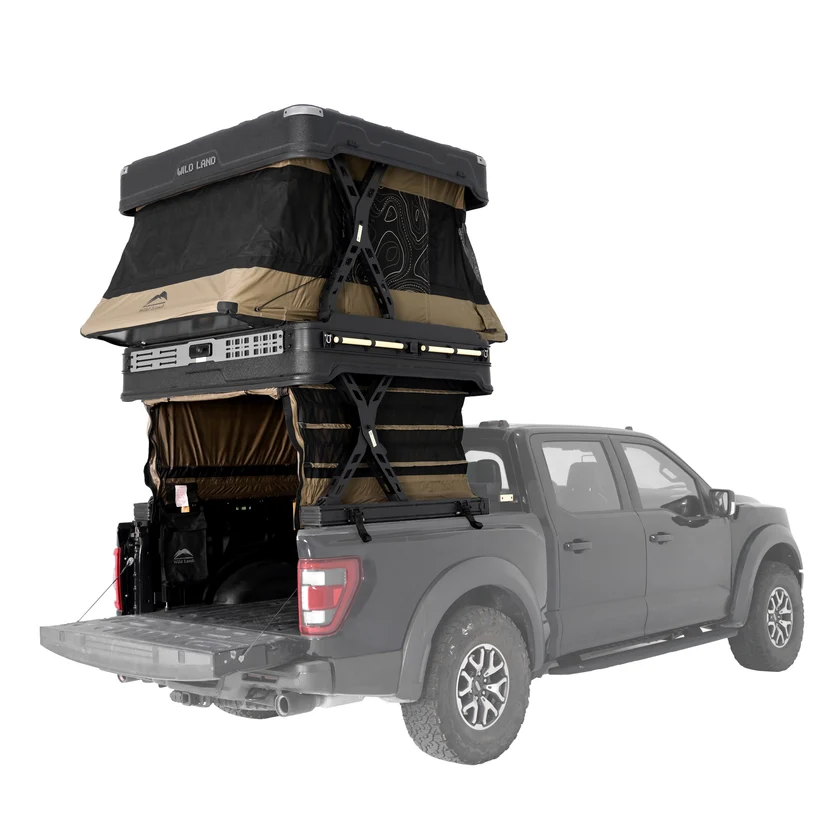
Camping loads are lighter than building materials and stay up there permanently, which shifts the important specifications toward mounting points, flat area, and whether the tent comes off without removing the rack.
Racks divide by what they were shaped around
- Ladder rack: two hoops, long material only
- Full bed rack: continuous platform, tents and gear
- Bed extender: cheap, still overhangs the tailgate
Where a rack pays and where it costs
- Strength: long loads ride within the vehicle length
- Strength: the box stays usable underneath
- Limit: dynamic capacity is well under the static figure
- Limit: raises the center of gravity noticeably
Weighed against a trailer, a rack costs capacity and returns the ability to carry long material without towing anything. A builder near Nanaimo carries trim and ladders up top and hitches a trailer only for loads measured in tons.
Pickups are being fitted out rather than simply bought
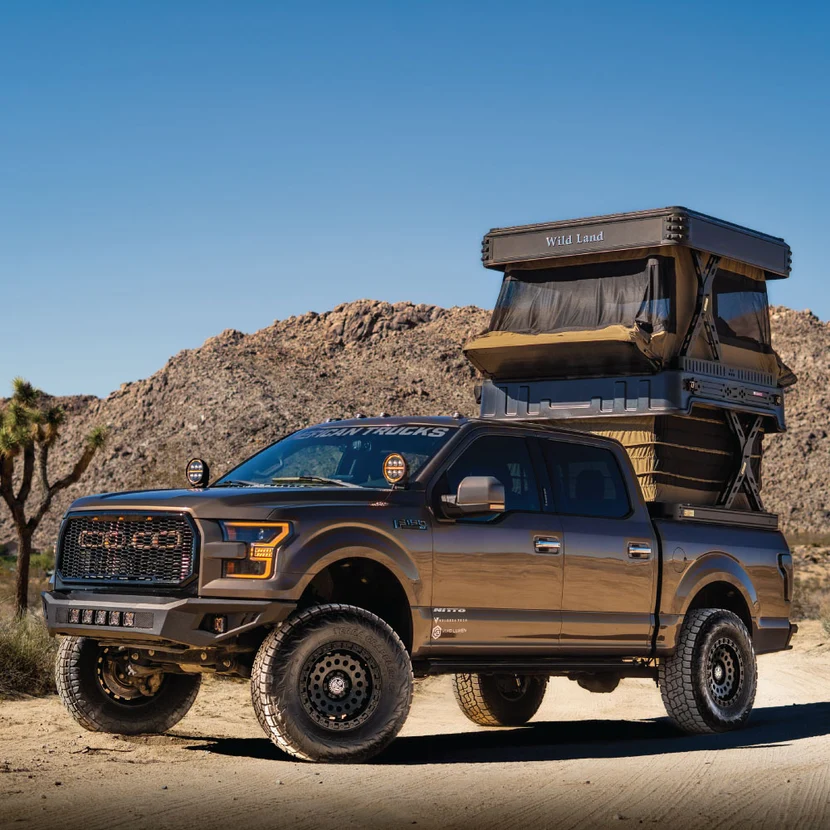
Owners increasingly treat a truck as a platform configured for the loads it actually carries, which has moved racks and mounting systems from accessories into part of how the vehicle is specified.
That way of setting up a vehicle is why the vehicle equipment TMG Industrial supplies is built around mounting systems and rated platforms rather than around single purpose accessories.