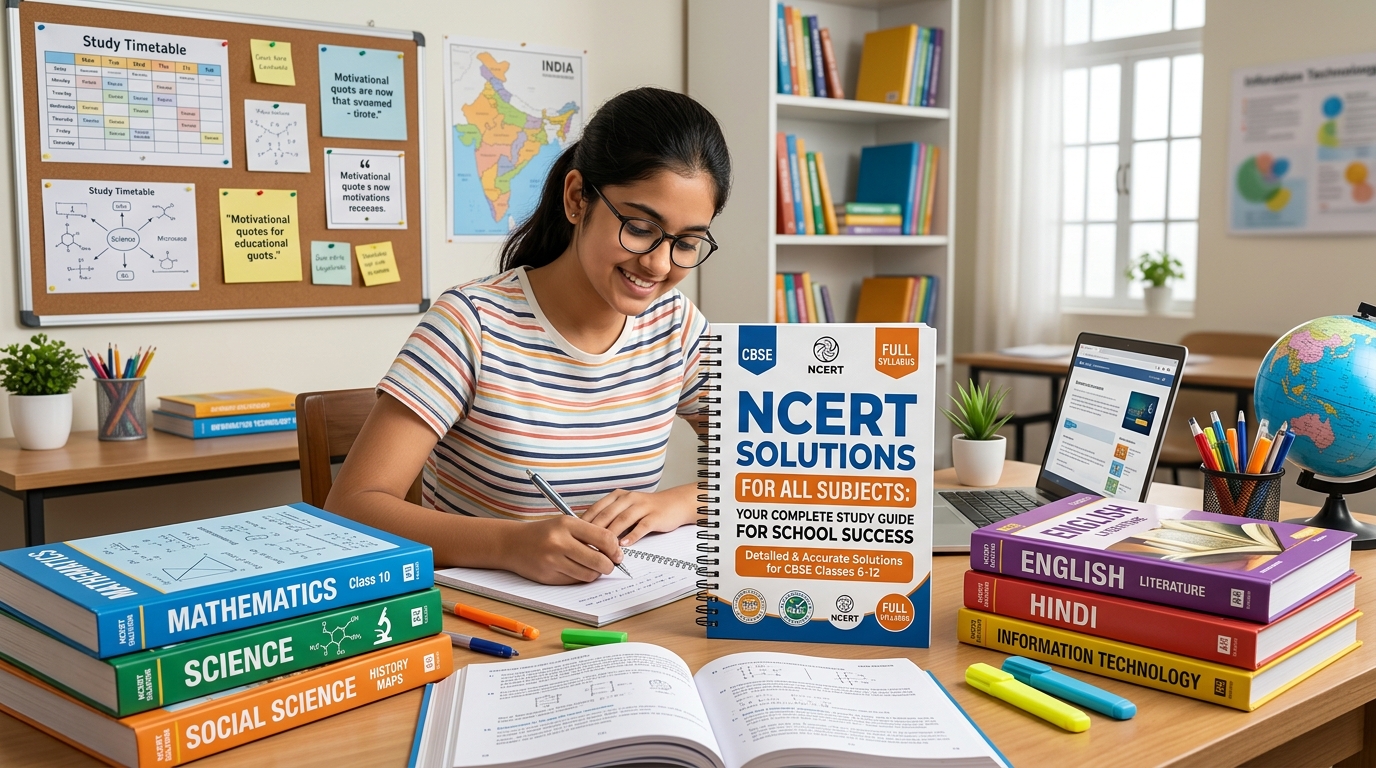

Cracking competitive exams requires more than just hard work; it demands strategy, discipline, and smart preparation. These exams are designed to test knowledge, speed, accuracy, and decision-making skills. Whether it is for government jobs, university admissions, or professional certifications, a structured approach can significantly increase your chances of success. With the right methods, students can improve performance and reduce exam pressure effectively.
Understand the Exam Pattern and Syllabus
The first step in preparing for any competitive exam is understanding its structure. Knowing the syllabus, marking scheme, and question pattern helps students focus on important topics instead of wasting time on irrelevant material.
When students are familiar with the exam format, they can plan their preparation more effectively. It also helps in identifying high-weightage sections that are more likely to appear in the exam.
Create a Strategic Study Plan
A proper study plan is essential for consistent preparation. Instead of studying randomly, students should divide the syllabus into daily and weekly goals. This ensures balanced coverage of all subjects and topics.
A good plan also includes time for revision and practice tests. Following a structured timetable helps maintain discipline and prevents last-minute stress before the exam.
Focus on Concept Clarity
Competitive exams often test understanding rather than memorization. That is why concept clarity is very important. Students should focus on learning the logic behind topics instead of just remembering answers.
When concepts are clear, it becomes easier to solve different types of questions, even if they are asked in a new or tricky way. This improves problem-solving ability and confidence.
Practice Mock Tests and Previous Papers
Regular practice is one of the most effective ways to prepare for competitive exams. Mock tests and previous year papers help students understand difficulty levels and question patterns.
They also improve time management skills, which are crucial during exams. Practicing under timed conditions helps students learn how to complete the paper efficiently and accurately.
Improve Speed and Accuracy
Speed and accuracy are key factors in competitive exams. Students should practice solving questions quickly while maintaining correctness. This balance is important for scoring high marks.
With regular practice, students can identify shortcuts, improve calculation speed, and reduce mistakes. This leads to better performance under exam pressure.
Frequently Asked Questions
What is the first step to crack competitive exams
Understanding the exam pattern and syllabus is the first step.
How many hours should I study daily
Consistency is more important than hours; regular focused study is best.
Are mock tests important
Yes, they improve speed, accuracy, and exam confidence.
Can I crack exams without coaching
Yes, with proper planning and self-study, it is possible.
Why is practice important
Practice helps improve problem-solving skills and exam performance.
Conclusion
Cracking competitive exams requires a combination of smart planning, strong concepts, regular practice, and consistent effort. By understanding the exam structure, following a study plan, and improving speed and accuracy, students can significantly increase their chances of success. With discipline and the right strategy, achieving competitive exam goals becomes much more manageable and realistic.