

A phone can make a planned task convenient while also making unplanned activity easier to repeat. In a online withdrawal experience, details such as checking verification requirements and using matching account information influence the experience from the first few minutes. Opening 11win on a phone may be convenient, yet convenience is most useful when the purpose and end point of the visit are already clear. The discussion looks at mobile convenience while keeping attention on privacy, stopping points, and deliberate use. Clear reviewing withdrawal limits, sensible keeping confirmation records, and realistic expectations can be more valuable than a crowded list of features. The strongest starting point is simple: know what you came to do, know what information you need, and decide in advance what will make you stop.
Convenience Changes the Rhythm of the Online Withdrawal Experience
Mobile clarity depends on readable text, stable controls, and a layout that does not require constant backtracking. For this subject, checking verification requirements should be visible enough to understand quickly, while using matching account information should not be hidden behind unrelated menus. Search tools and filters are useful only when the categories behind them make sense to the person using them. Users should notice whether reviewing withdrawal limits supports attention or simply pushes them toward faster decisions. A short pause before the first meaningful action can expose missing information that would otherwise be noticed too late. In other words, better navigation creates room for better judgment.
Small-Screen Design and Better Navigation
Navigation should answer three questions quickly: where am I, what can I do here, and how do I go back? Users should pay attention to how the interface supports keeping confirmation records without making allowing normal processing time difficult to maintain. A simple menu hierarchy is often more useful than dozens of overlapping shortcuts. It is also wise to locate account settings, help resources, and relevant history before they are urgently needed. Prepared users are less likely to panic when a routine process takes longer than expected. For a online withdrawal experience, good discovery should support informed use without making the user feel pushed toward constant activity.
Exploring the Withdrawal Guidance Area With More Deliberate Choices
A closer look at the main feature is more useful than judging an entire service from its homepage design. For this category, attention should be given to checking verification requirements, using matching account information, and reviewing withdrawal limits. Together, these details shape the difference between deliberate use and a sequence of automatic clicks. Readers who want to view the relevant category directly can use Rút tiền 11win as a reference point while applying the same standards of clarity, limits, and careful review. After that, keeping confirmation records becomes important because attention often changes once the session has already started. Withdrawal questions should be handled patiently and securely, without sharing credentials or paying suspicious off-platform requests. Practical control comes from combining allowing normal processing time with contacting support with a clear reference rather than relying on mood in the moment. No interface can make an uncertain activity certain, so the user’s boundaries remain the most important control.
Turning Mobile Speed Into Controlled Use
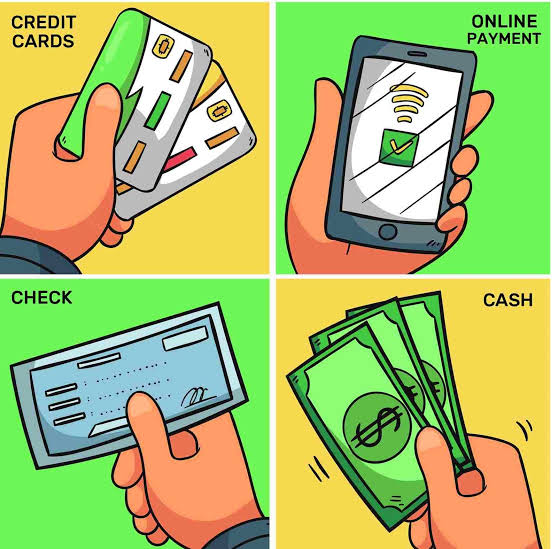
A phone can turn a planned visit into an impulsive one because the platform is only a tap away. If checking verification requirements and reviewing withdrawal limits become harder to interpret on mobile, convenience may come at the cost of better judgment. A focused session is easier to control when notifications, social messages, and other interruptions are reduced. Before opening the app or site, it helps to decide the exact purpose of the visit and the maximum time available. A fixed end time is more dependable than waiting until the experience no longer feels interesting. A brief pause after any strong emotional moment gives the user a chance to check whether the next action still fits the original plan. Convenience is most valuable when it helps complete a specific task and then makes leaving easy.
Protecting Personal Devices and Account Access
A secure experience depends on what the user does before, during, and after signing in. A unique password and a protected email account form the basic foundation, while verification codes should never be shared in chat or screenshots. Shared computers and borrowed phones deserve extra caution because saved sessions can remain active after the user leaves. A record of allowing normal processing time can help explain later questions without exposing passwords or sensitive codes. Useful records may include dates, reference numbers, confirmation messages, and a brief note describing what happened. Documentation is especially helpful when a routine process takes longer than expected. Good security is repetitive by nature, and that repetition is exactly what makes it reliable.
Keeping Entertainment Budgets Separate
The most important money decision is not the next one; it is the limit decided before any activity starts. Funds needed for rent, food, debt, education, medical needs, or family responsibilities should never be treated as an entertainment budget. The habit of allowing normal processing time is more reliable than trying to make a new decision after every emotional change. A difficult result should not be answered with larger risks simply to change the feeling of the session. A visible balance can create a false sense that every amount should remain in play. A stop point should remain valid whether the session feels successful, disappointing, or unfinished. Withdrawal questions should be handled patiently and securely, without sharing credentials or paying suspicious off-platform requests. The healthiest financial expectation is simple: the activity is optional entertainment, not income, investment, or debt recovery.
Creating Limits That Survive Strong Emotions
Self-control is easier to maintain with a routine than with repeated promises made in the middle of a session. Users can turn allowing normal processing time and contacting support with a clear reference into repeatable habits rather than emergency reactions. Participation should stop when it leads to borrowing, secrecy, repeated broken limits, or neglect of work and relationships. Leaving early is not a failure when the planned boundary has already been reached. Talking with a trusted person or a qualified support service can be appropriate when control feels difficult or the activity causes distress. Age restrictions and local laws also matter, so people should only participate where the activity is lawful and permitted for them. A sustainable routine keeps the activity secondary to health, obligations, and financial stability.
Conclusion
A strong digital routine is measured less by how often a platform is used and more by how clearly each visit is controlled. For the withdrawal guidance area, that means paying attention to verification readiness, method consistency, processing awareness, and record keeping without treating uncertain outcomes as promises. Practical habits such as checking verification requirements, allowing normal processing time, and contacting support with a clear reference can make the experience easier to understand and review. Account protection, accurate records, realistic budgets, and respect for local rules remain relevant regardless of device or platform design. No interface can replace judgment, and no feature can guarantee a particular outcome. The best standard is simple: the activity should remain optional, understandable, affordable, and easy to leave.