
Introduction
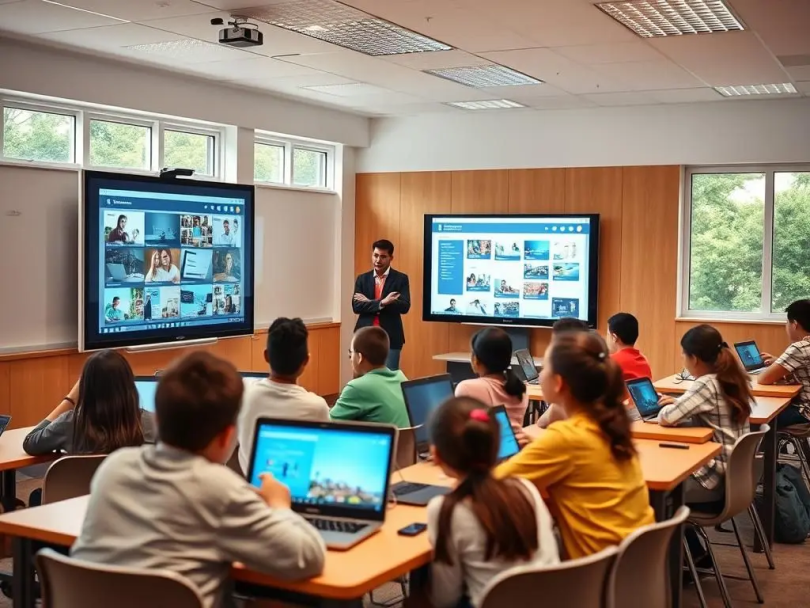
Learning has changed more in the last decade than many people expected. Students, professionals, and even retirees now use online platforms to gain knowledge, build careers, and improve personal skills. The internet has opened access to thousands of educational resources that were once available only in schools, libraries, or expensive training centers. Today, anyone with a smartphone or laptop can learn almost anything from home.
Unlock smarter learning with the best websites is no longer just a trend. It has become a practical and reliable way to study faster and more effectively. Online learning platforms provide flexibility, affordability, and convenience for people with different goals and schedules. Whether someone wants to improve writing skills, study programming, learn graphic design, or prepare for exams, educational websites make the process easier.
Many beginners feel confused when selecting the right platform because there are countless websites available online. Some focus on professional certifications, while others specialize in free courses, interactive learning, or creative subjects. Choosing the right learning website can save time and improve learning results.
What is Unlock Smarter Learning with the Best Websites?
Unlock smarter learning with the best websites refers to using online educational platforms to improve knowledge, skills, and personal growth in a more flexible and efficient way. Instead of relying only on traditional classrooms, learners use digital tools, video lessons, quizzes, interactive exercises, and virtual communities.
These websites cover almost every subject imaginable. Some platforms offer academic courses for students, while others focus on practical skills such as business, coding, digital marketing, photography, or language learning. Many websites also provide certifications that can strengthen resumes and professional profiles.
Smarter learning does not only mean studying online. It means learning strategically through platforms that match personal goals, learning styles, and schedules. For example, a visual learner may prefer websites with video tutorials, while another person may benefit from text-based lessons and practice tests.
Online learning websites are designed to make education more accessible. People living in remote areas can now access the same quality of knowledge available in major cities. In addition, learners can repeat lessons, study at their own pace, and explore multiple topics without spending large amounts of money.
The rise of educational technology has transformed learning into a personalized experience. This is why many students and professionals now unlock smarter learning with the best websites to stay competitive in modern life.
Why is Unlock Smarter Learning with the Best Websites Important?
Online learning websites have become essential because they solve many problems associated with traditional education. People often struggle with limited time, expensive tuition fees, transportation issues, and fixed schedules. Educational websites help overcome these challenges.
One major advantage is flexibility. Learners can study in the morning, afternoon, or late at night according to their routines. This is especially useful for working professionals and parents who cannot attend regular classes.
Another important factor is affordability. Many online platforms offer free courses or low-cost subscriptions. This makes quality education available to people from different financial backgrounds.
Online learning also supports career growth. Employers increasingly value digital skills and continuous learning. Individuals who use educational websites to improve their knowledge often become more competitive in the job market.
Additionally, smarter learning websites encourage independent learning. Users develop discipline, problem-solving abilities, and self-motivation while managing their own study schedules.
Educational websites also provide access to global instructors and updated content. Traditional textbooks may become outdated, but online platforms frequently refresh their materials to reflect current industry trends.
For beginners and intermediate learners, online education offers a comfortable environment. People can learn without pressure and repeat difficult lessons until concepts become clear.
Detailed Step-by-Step Guide
Step 1: Identify Your Learning Goals
Before choosing a website, define what you want to achieve. Some people want career advancement, while others aim to improve hobbies or academic performance.
Ask yourself the following questions:
- What skill do I want to learn?
- Do I need a certificate?
- Am I learning for work, school, or personal growth?
- How much time can I dedicate weekly?
Clear goals help narrow down the best learning platforms.
Step 2: Choose the Right Type of Learning Website
Different websites serve different purposes. Selecting the correct platform is important for effective learning.
Popular categories include:
- Academic learning websites
- Professional development platforms
- Creative skill websites
- Language learning platforms
- Technical and coding websites
- Exam preparation resources
For example, coding learners may benefit from interactive programming websites, while business professionals may prefer structured video courses.
Step 3: Check Course Quality
Not all educational websites provide high-quality content. Before enrolling, review course details carefully.
Look for:
- Experienced instructors
- Positive student reviews
- Updated course material
- Practical assignments
- Clear lesson structure
- Certification options
High-quality content improves understanding and learning speed.
Step 4: Compare Free and Paid Options
Many websites provide both free and premium courses. Free courses are useful for beginners who want to explore a subject before investing money.
Paid courses often include:
- Certificates
- Instructor support
- Downloadable resources
- Advanced lessons
- Interactive projects
Choose a plan that fits your budget and learning needs.
Step 5: Create a Study Schedule
Consistency is one of the biggest factors in successful online learning.
Set realistic goals such as:
- One lesson daily
- Three study sessions weekly
- Two hours every weekend
A regular routine helps maintain motivation and prevents procrastination.
Step 6: Take Notes While Learning
Writing notes improves memory and understanding. Many learners watch videos passively without practicing concepts.
Effective note-taking methods include:
- Summarizing lessons
- Writing key definitions
- Creating flashcards
- Listing important examples
Active learning leads to better results.
Step 7: Practice Skills Regularly
Practical application is essential for smarter learning.
For example:
- Writers should create sample articles
- Programmers should build projects
- Designers should create portfolios
- Language learners should practice speaking
Applying knowledge strengthens confidence and skill development.
Step 8: Join Learning Communities
Online communities can improve learning experiences. Many educational websites include discussion forums and study groups.
Benefits include:
- Asking questions
- Sharing ideas
- Receiving feedback
- Staying motivated
- Networking with others
Learning with others often makes difficult subjects easier.
Step 9: Track Your Progress
Monitoring progress helps maintain focus and motivation.
You can track:
- Completed lessons
- Quiz scores
- Certificates earned
- Skills mastered
- Time spent learning
Seeing improvement encourages long-term consistency.
Step 10: Continue Updating Your Skills
Learning should never stop. Industries and technologies constantly evolve.
Successful learners regularly:
- Explore new courses
- Update old skills
- Follow industry trends
- Learn modern tools
- Practice advanced techniques
Continuous learning creates better personal and career opportunities.
Benefits of Unlock Smarter Learning with the Best Websites

- Flexible learning schedules for students and professionals
- Access to thousands of courses from different subjects
- Affordable education compared to traditional institutions
- Ability to learn from home or any location
- Self-paced learning for better understanding
- Opportunities to earn certifications
- Updated learning materials and modern content
- Interactive tools that improve engagement
- Personalized learning experiences
- Better career and business opportunities
- Improved confidence and problem-solving skills
- Access to global experts and instructors
- Easy progress tracking through dashboards and quizzes
- Availability of beginner-friendly learning resources
- Ability to repeat lessons multiple times
Disadvantages / Risks
- Some courses may lack quality or accuracy
- Learners can lose motivation without discipline
- Too many choices may create confusion
- Certain certifications may not be recognized everywhere
- Internet connection problems can interrupt learning
- Screen fatigue may reduce concentration
- Some platforms charge expensive subscription fees
- Limited face-to-face interaction with instructors
- Practical subjects may require additional hands-on practice
- Scams and low-quality websites exist online
Common Mistakes to Avoid
Many people start online learning enthusiastically but fail to achieve results because of avoidable mistakes.
One common mistake is choosing too many courses at once. Beginners often become overwhelmed when trying to learn multiple subjects simultaneously. Focusing on one skill at a time improves concentration and progress.
Another mistake is ignoring practice. Watching videos without applying concepts rarely leads to mastery. Real improvement comes through active exercises, assignments, and projects.
Poor time management also affects success. Some learners delay lessons repeatedly and eventually quit. Creating a realistic schedule helps maintain consistency.
People also make the mistake of selecting courses only because they are popular. A course should match personal goals and skill levels instead of following trends blindly.
Another issue is depending only on certificates. Certifications are valuable, but practical skills matter more in real-world situations. Employers often prioritize experience and demonstrated ability.
Ignoring reviews and instructor backgrounds can also lead to disappointment. Researching course quality before enrolling saves time and money.
FAQs
What are the best websites for smarter learning?
The best websites depend on personal goals. Some platforms specialize in academic education, while others focus on technical skills, business training, creative learning, or language development. Beginners should select platforms with easy navigation, structured lessons, and positive reviews.
Are online learning websites effective?
Yes, online learning websites can be highly effective when learners remain consistent and practice regularly. Many people have gained professional skills, certifications, and career opportunities through online education.
Can beginners use educational websites easily?
Most modern learning platforms are designed for beginners. They provide step-by-step lessons, beginner-friendly interfaces, quizzes, and progress tracking tools to make learning simple.
Do online learning websites provide certificates?
Many educational platforms provide certificates after course completion. Some certificates are free, while others require payment. Professional certifications can strengthen resumes and improve career opportunities.
How much time should I spend learning online?
The ideal study time depends on personal goals and schedules. Even thirty to sixty minutes daily can produce significant results when maintained consistently.
Are free courses worth taking?
Yes, free courses are excellent for beginners who want to explore new subjects. However, premium courses may provide deeper content, instructor support, and recognized certifications.
How can I stay motivated while learning online?
Setting clear goals, tracking progress, joining study communities, and celebrating small achievements can improve motivation. Maintaining a regular schedule also helps build discipline.
Is online learning better than traditional education?
Both methods have advantages. Traditional education provides classroom interaction and structured environments, while online learning offers flexibility, affordability, and convenience. Many people combine both methods successfully.
Expert Tips & Bonus Points
Choose learning websites that regularly update their content. Outdated lessons may contain irrelevant information that no longer matches industry standards.
Focus on practical learning rather than memorization. Real-world projects, exercises, and case studies improve understanding more effectively than passive reading.
Avoid comparing your progress with others. Every learner moves at a different pace. Consistent improvement matters more than speed.
Create a distraction-free study environment. Turning off unnecessary notifications and maintaining a clean workspace can improve concentration.
Use multiple learning formats when possible. Combining videos, articles, quizzes, and practical assignments creates a more balanced learning experience.
Conclusion
Unlock smarter learning with the best websites has transformed the way people gain knowledge and develop skills. Online education is no longer limited to professionals or technology experts. Beginners and intermediate learners now have access to thousands of resources that support personal growth, academic success, and career development.
Educational websites provide flexibility, affordability, and convenience that traditional learning methods sometimes cannot offer. Learners can study from home, repeat lessons, explore different subjects, and progress according to their own schedules. This freedom allows people from different backgrounds to improve themselves without major limitations.
However, successful online learning requires discipline, consistency, and smart decision-making. Choosing the right platform, practicing regularly, avoiding distractions, and staying motivated are essential for long-term success. People who actively apply their knowledge often achieve better results than those who only consume information passively.